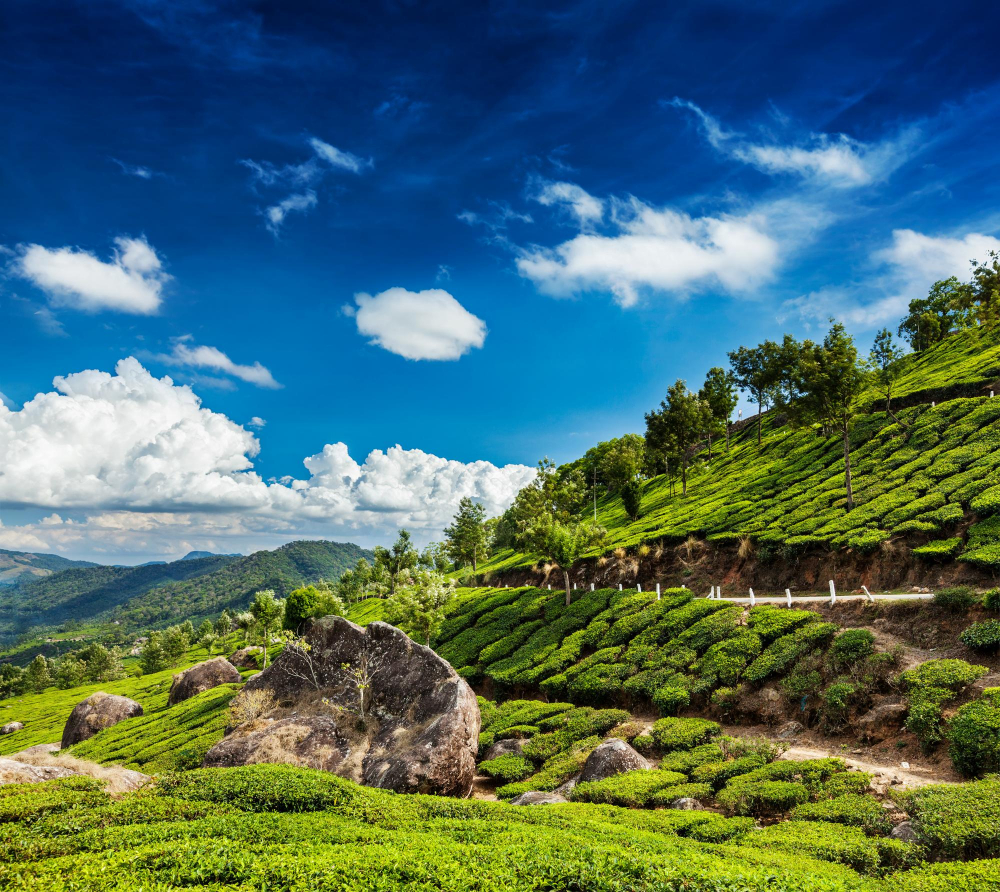
Munnar
Rolling tea plantations, misty hill slopes and cool Western Ghats air make Munnar Kerala's most-requested hill station getaway.
Read More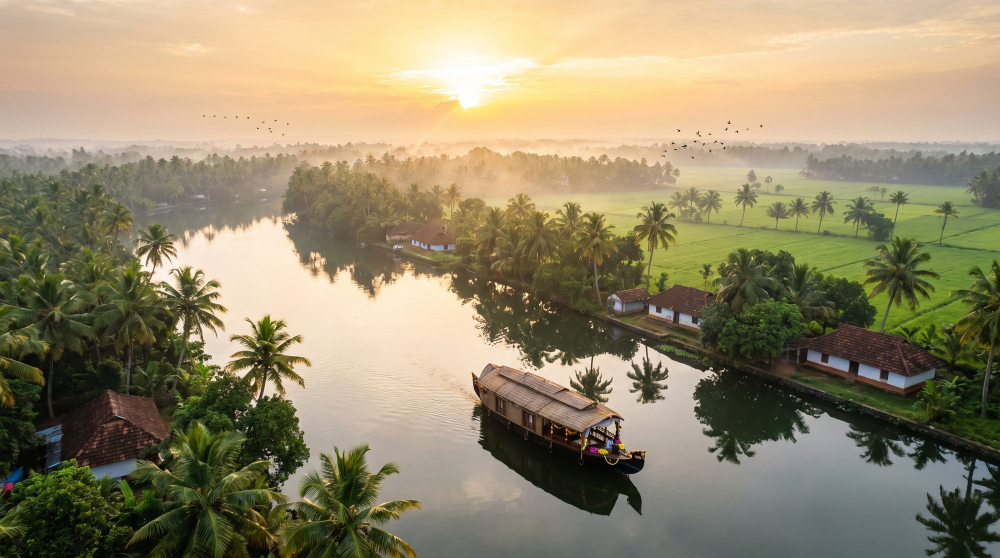
Alleppey
The backwaters of Alappuzha are best seen from a houseboat, drifting past coconut palms and quiet canal-side villages.
Read More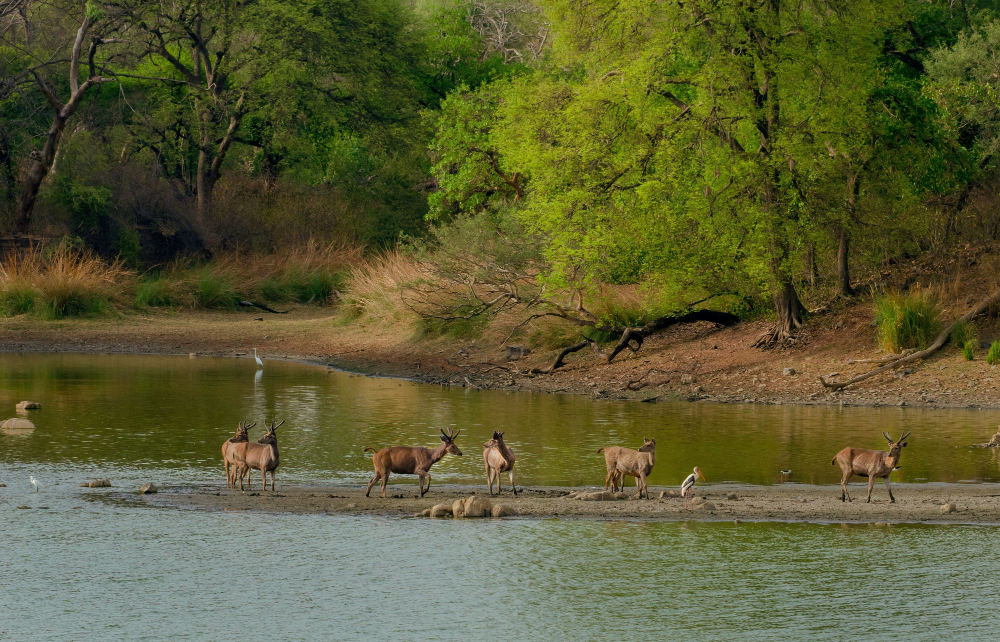
Thekkady
Home to Periyar Wildlife Sanctuary, spice plantations and boat safaris across the reservoir in search of wildlife.
Read More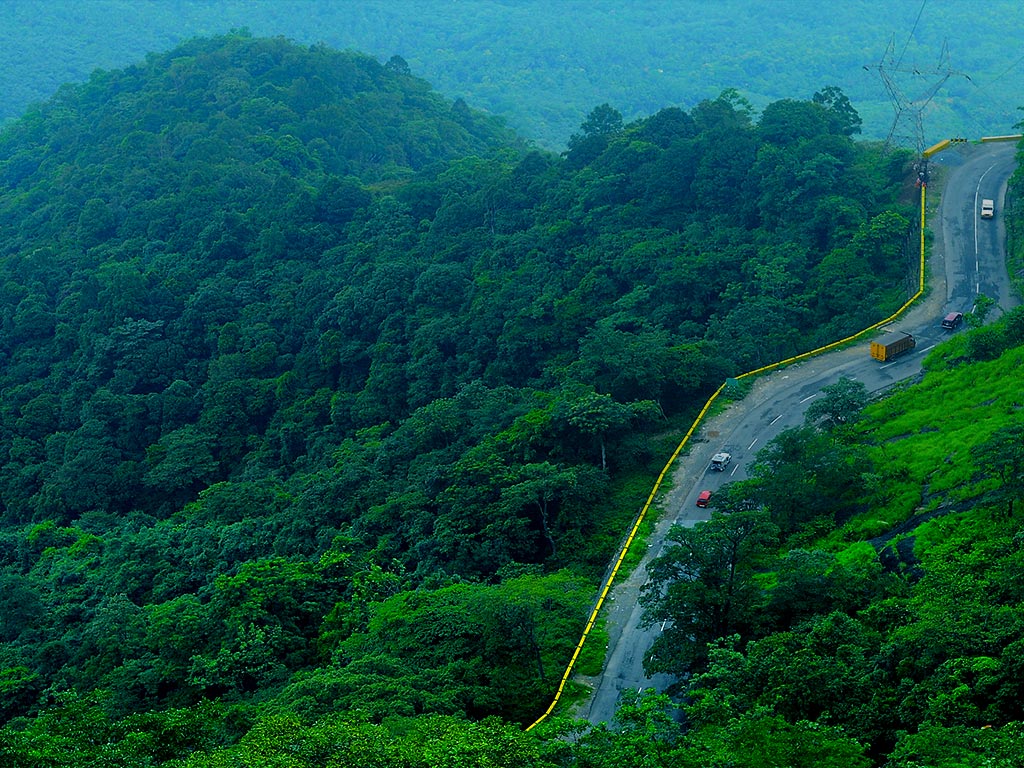
Wayanad
Forests, waterfalls and wildlife sanctuaries set across Kerala's greenest and least crowded district.
Read More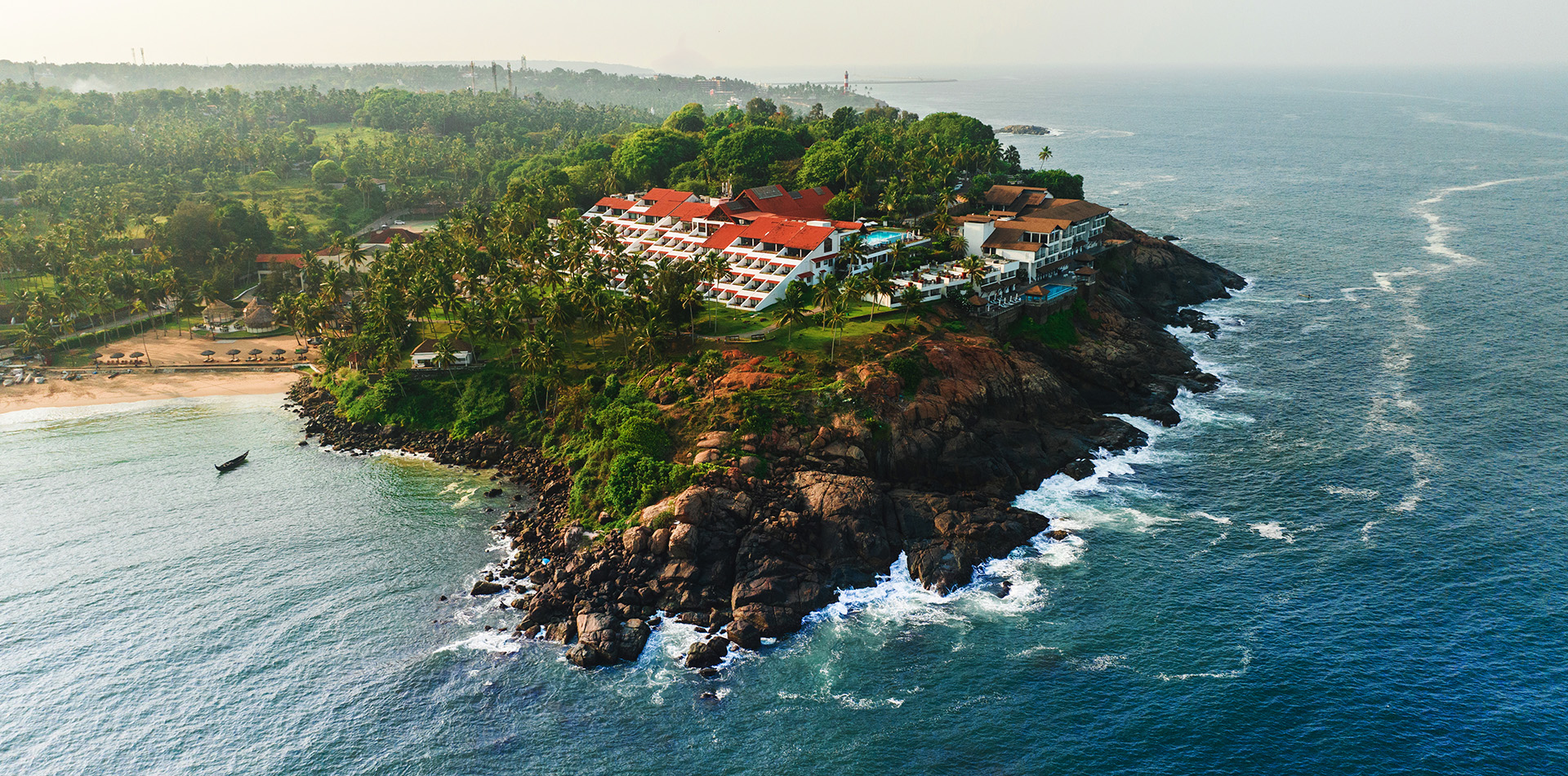
Kovalam
A classic Kerala beach town with a working lighthouse and long stretches of Arabian Sea coastline.
Read More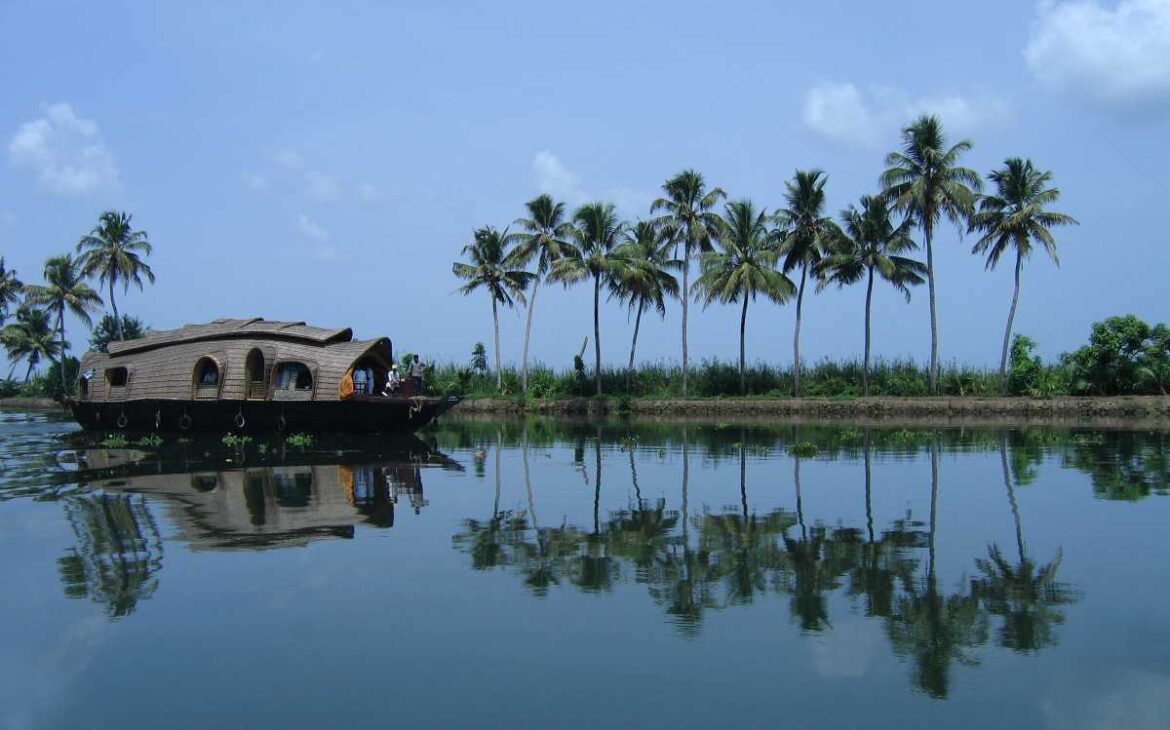
Kumarakom
A backwater village on Vembanad Lake, known for its bird sanctuary and quiet lakeside resorts.
Read More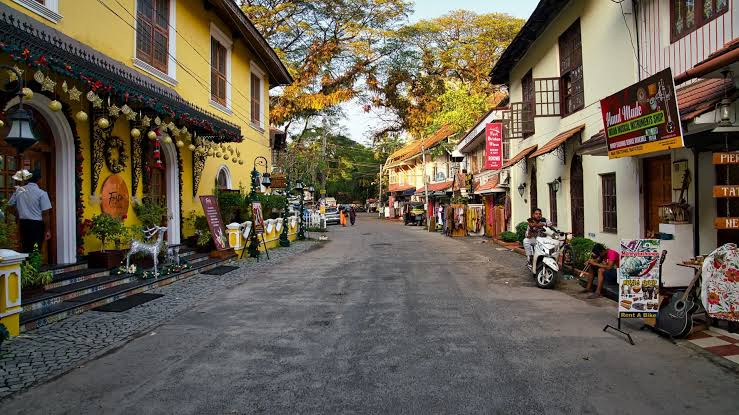
Fort Kochi
Colonial-era streets, Chinese fishing nets and a strong arts scene make this Kerala's most walkable old town.
Read More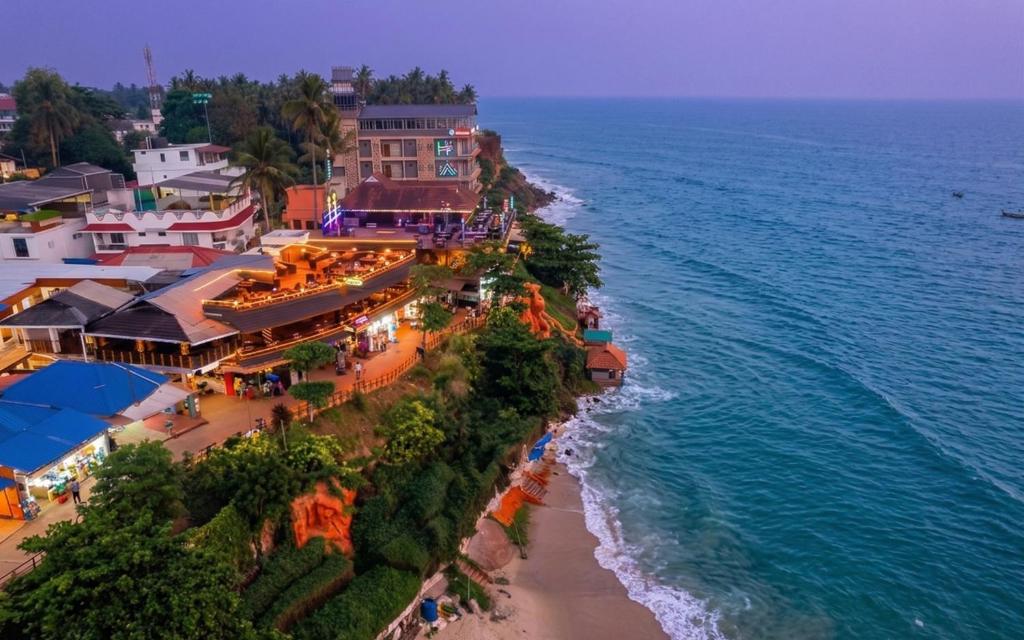
Varkala
A dramatic red-cliff beach town on the Arabian Sea, with a relaxed pace and clifftop cafes.
Read More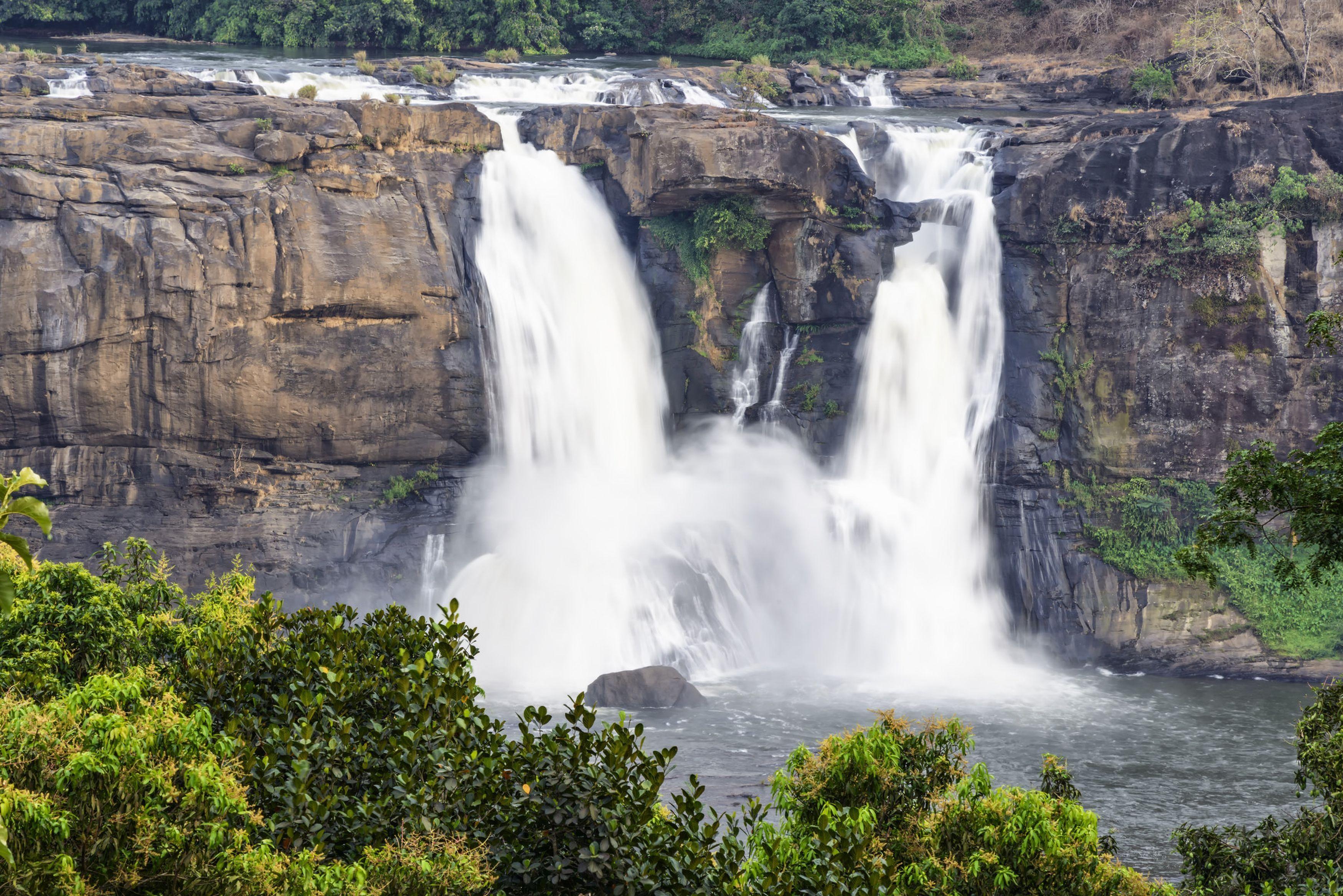
Athirappilly
Kerala's largest waterfall thunders through dense forest a short drive from Kochi, often called the Niagara of Kerala.
Read More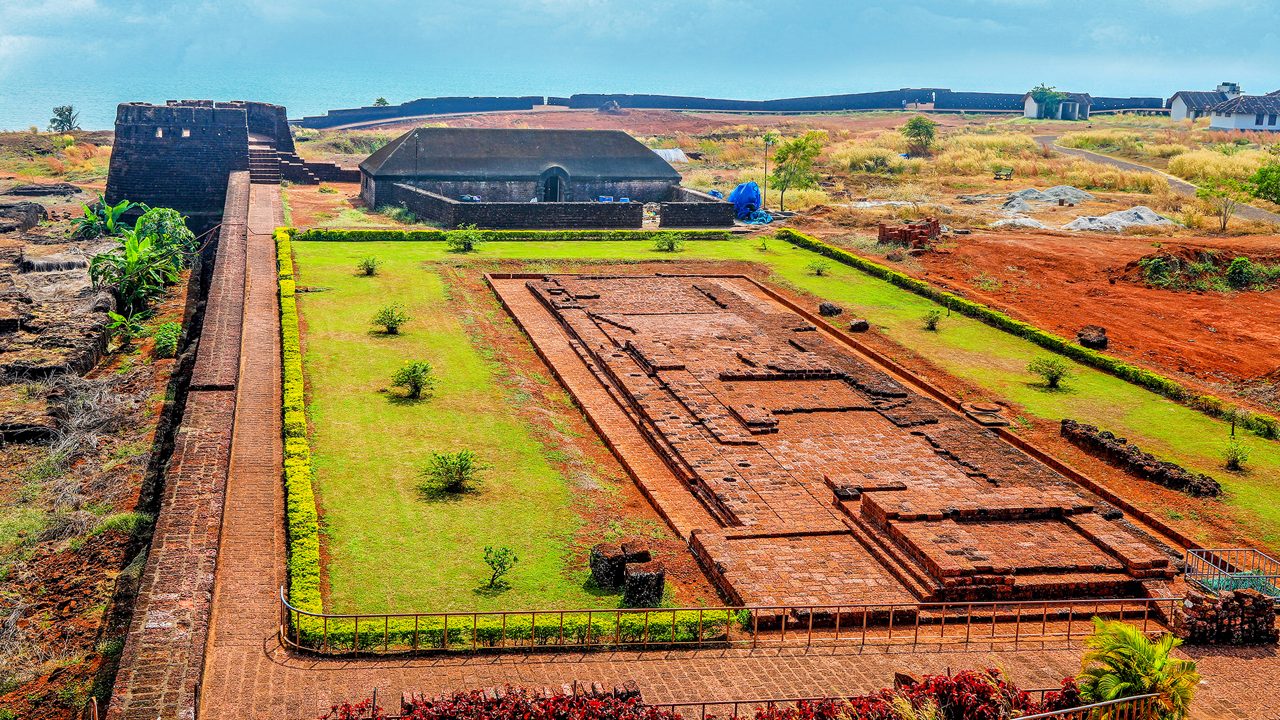
Bekal
Kerala's largest fort stands over a quiet North Kerala coastline, with a long beach beneath its ramparts.
Read More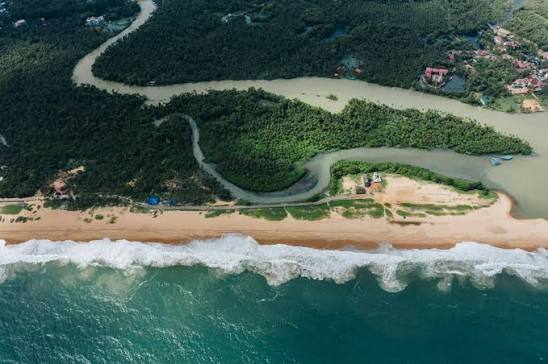
Poovar
A golden sandbar separates a calm backwater estuary from the open sea at this quiet southern getaway.
Read More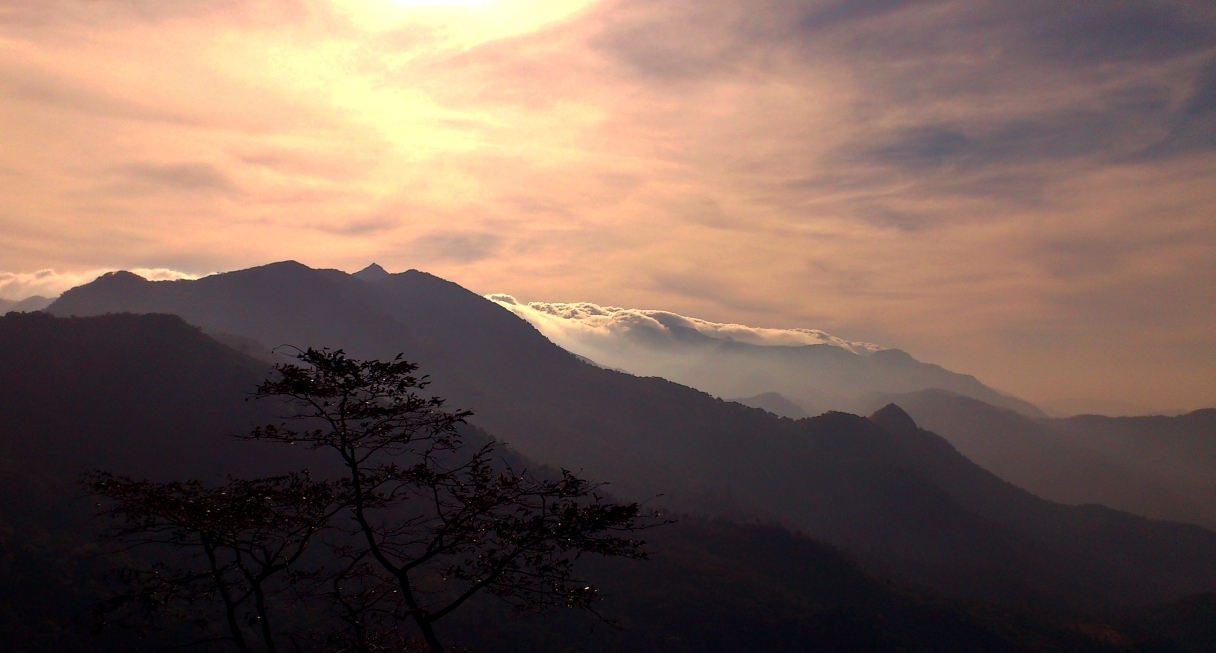
Ponmudi
A cool, little-visited hill station in the Western Ghats, an easy escape from Thiruvananthapuram.
Read More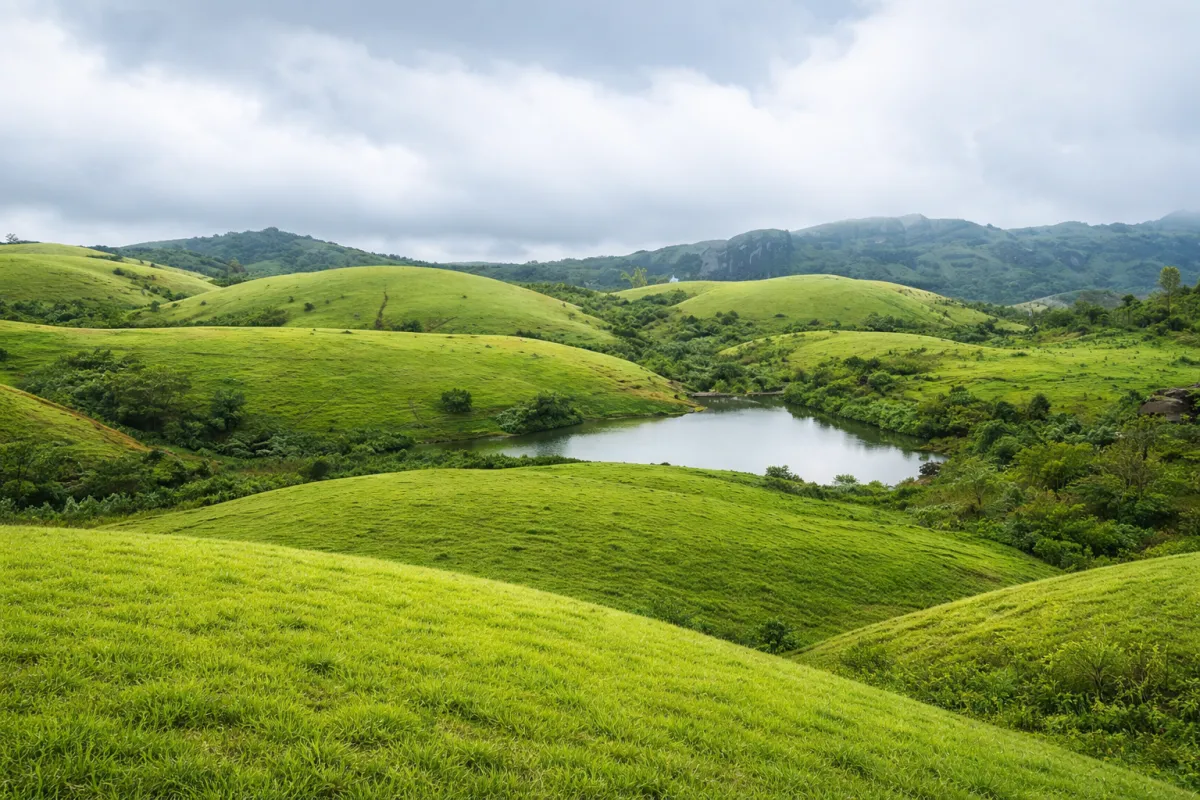
Vagamon
Rolling green meadows, pine forests and paragliding make this a laid-back Kerala hill station alternative to Munnar.
Read More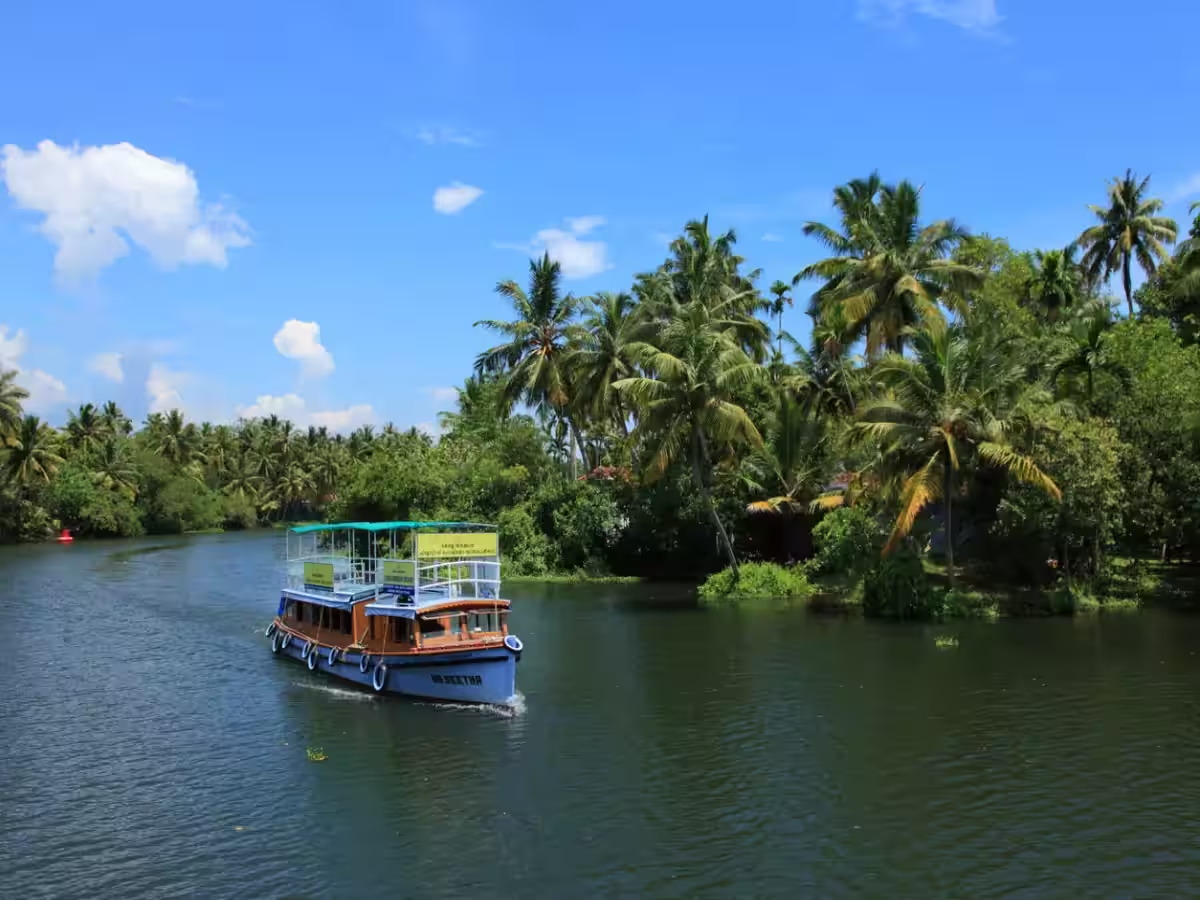
Kollam
The southern gateway to Kerala's backwaters, built around Ashtamudi Lake and a working cashew and coir trade.
Read More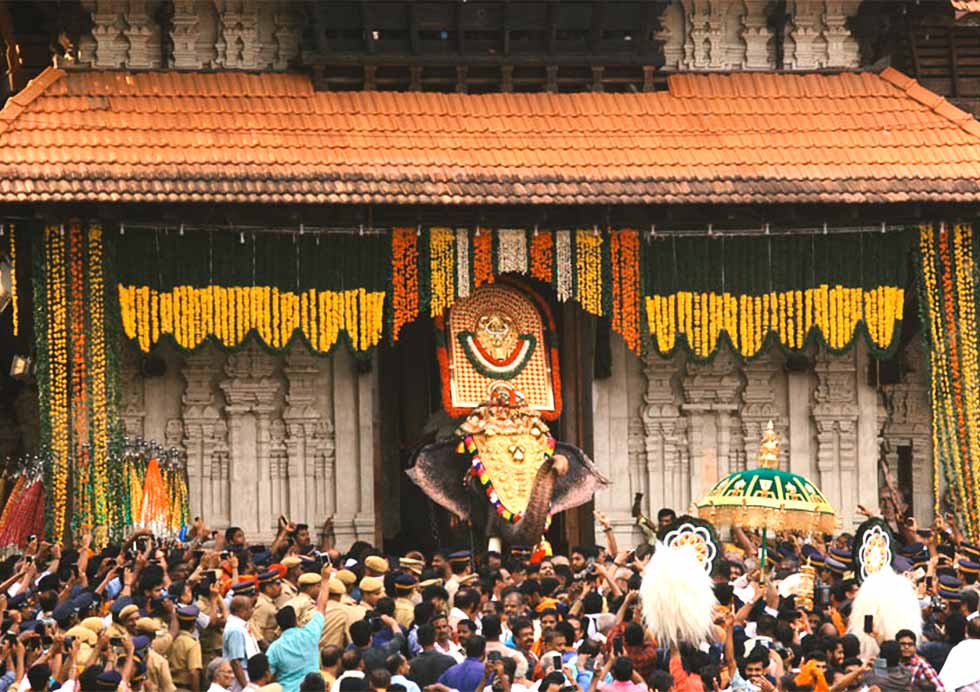
Thrissur
Kerala's cultural capital, home to the Thrissur Pooram festival and the ancient Vadakkunnathan Temple.
Read More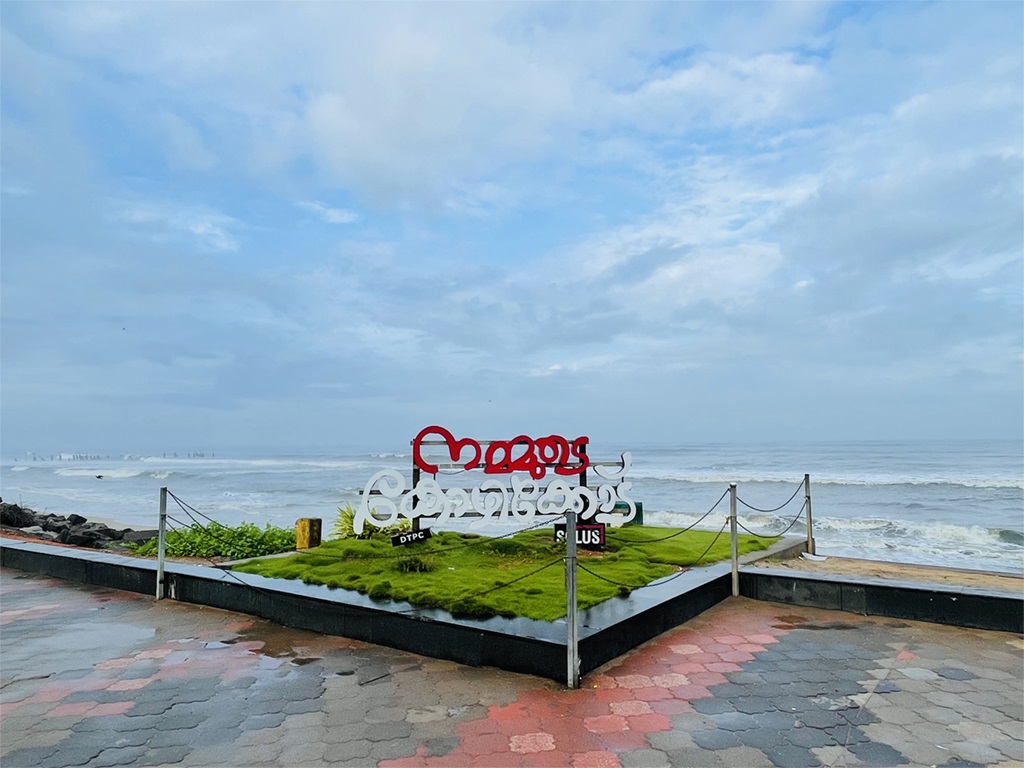
Kozhikode
A historic Malabar port city known for its beaches, old bazaars and some of Kerala's best biryani.
Read More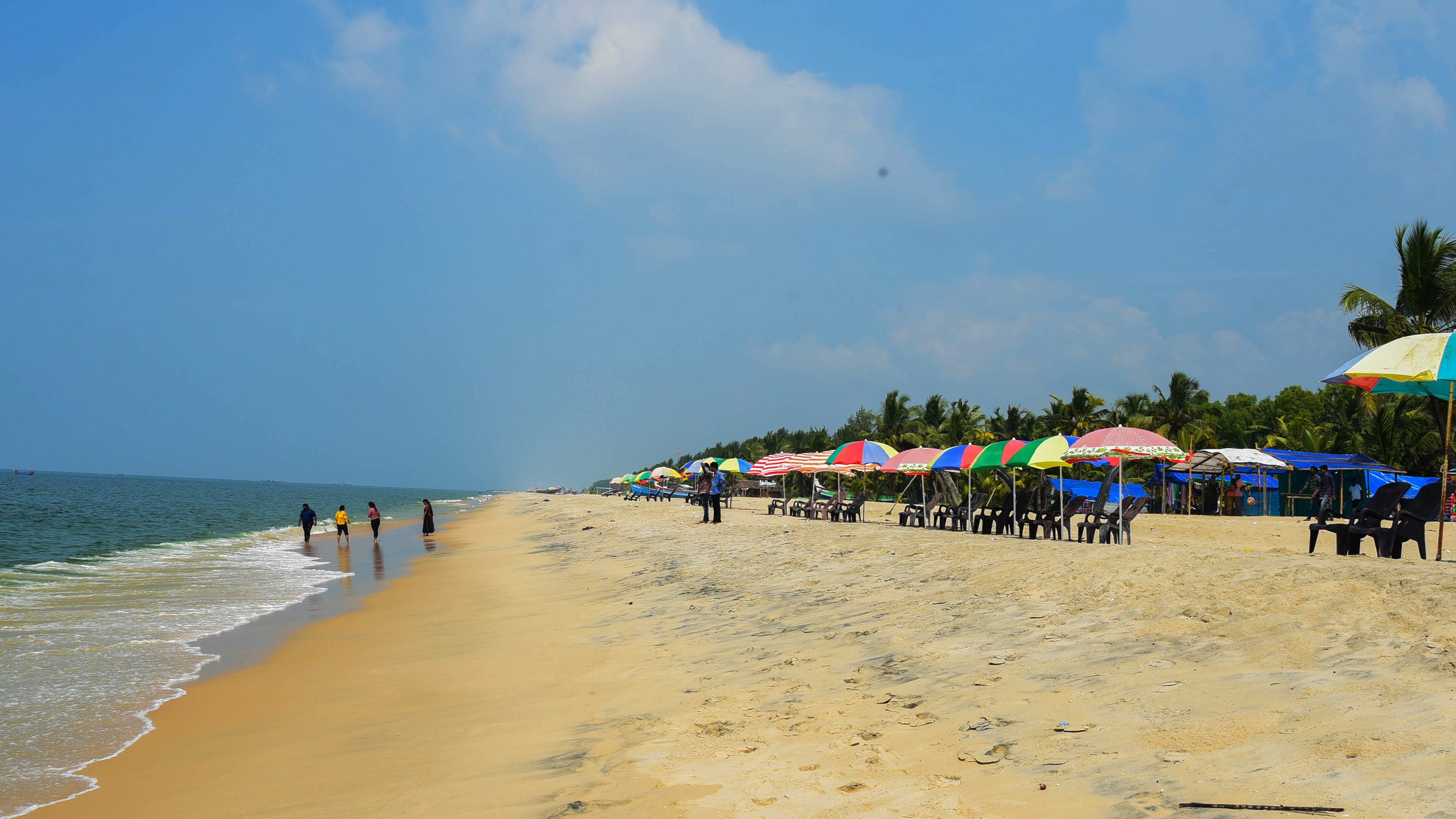
Marari
A quiet fishing-village beach near Alleppey, known for its laid-back pace and boutique beach stays.
Read More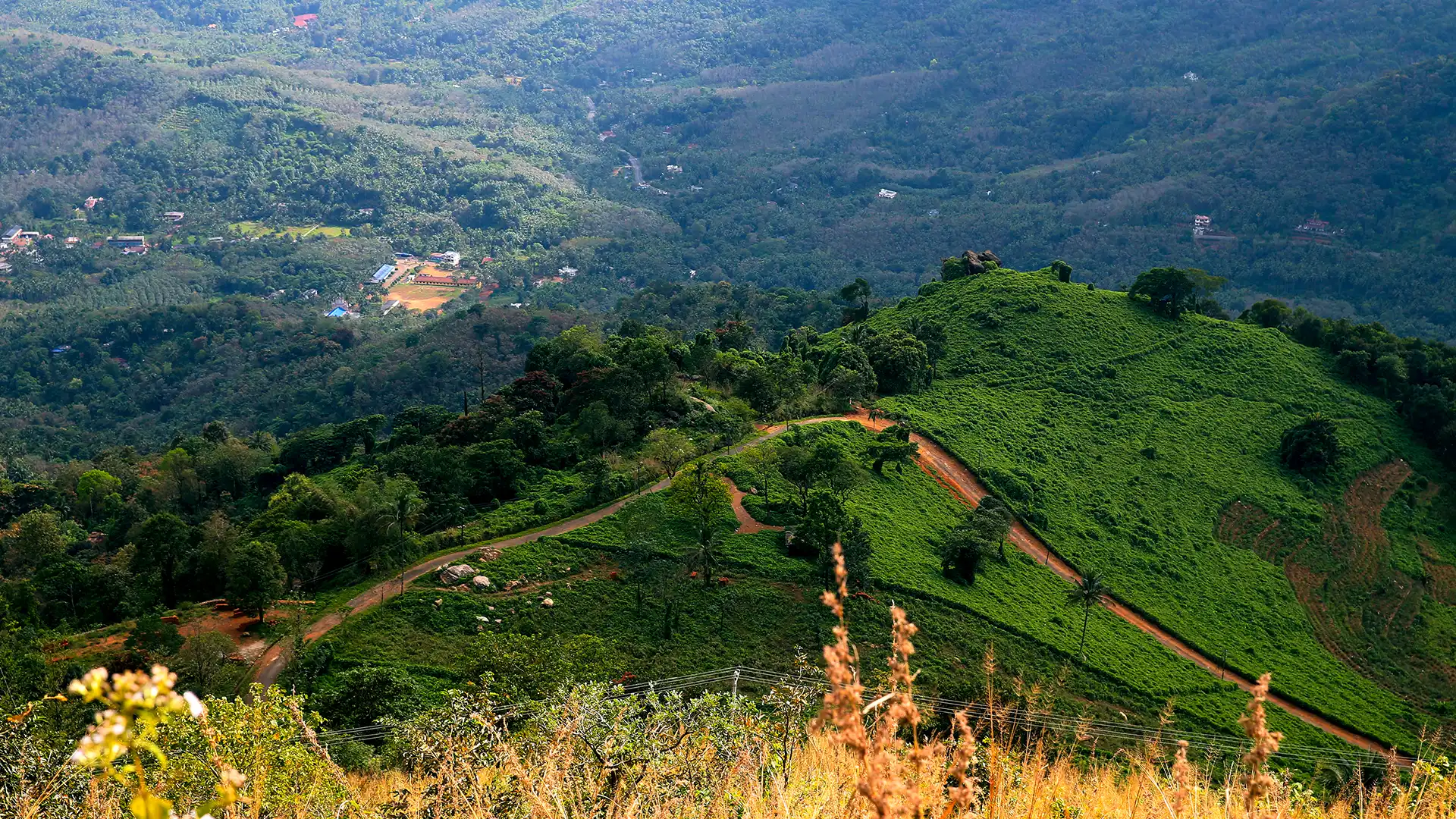
Kannur
A Malabar coastal district known for its beaches, handloom weaving and nightly Theyyam ritual performances.
Read More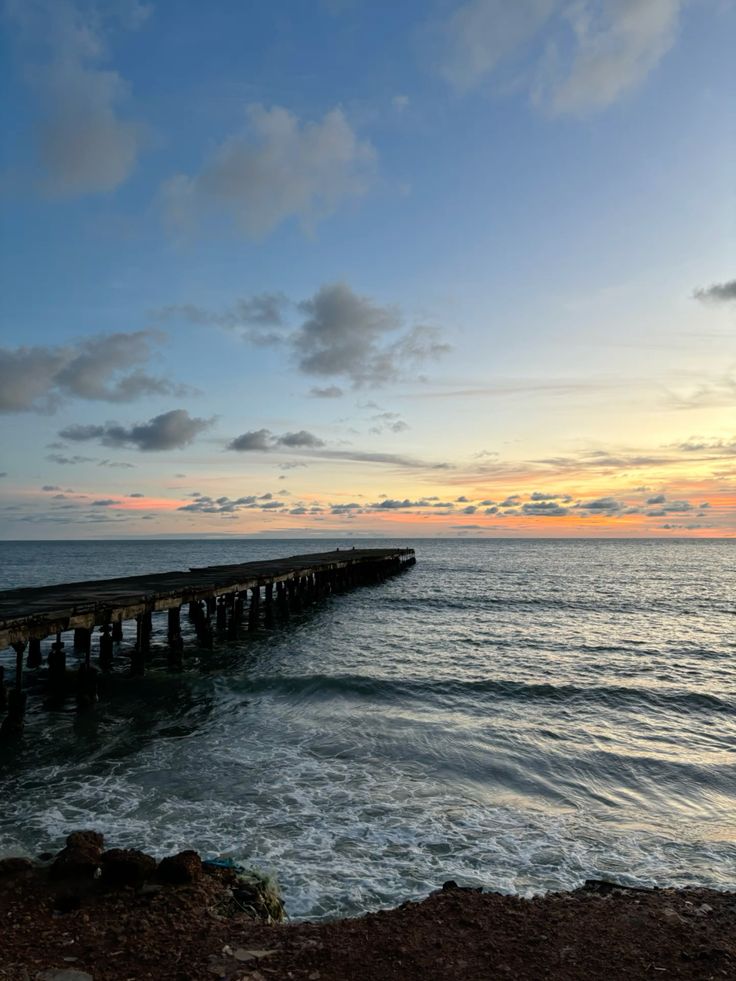
Thalassery
A historic Malabar town known for its colonial-era fort, distinctive biryani and circus training tradition.
Read More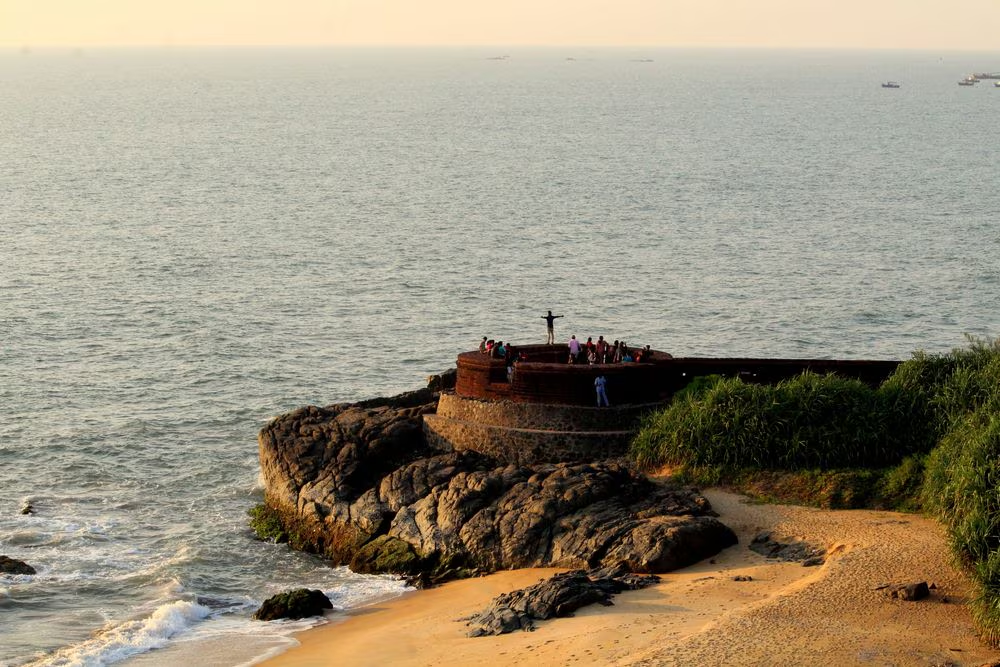
Kasaragod
Kerala's northernmost district, a quieter mix of forts, waterfalls and multiple languages and cultures.
Read More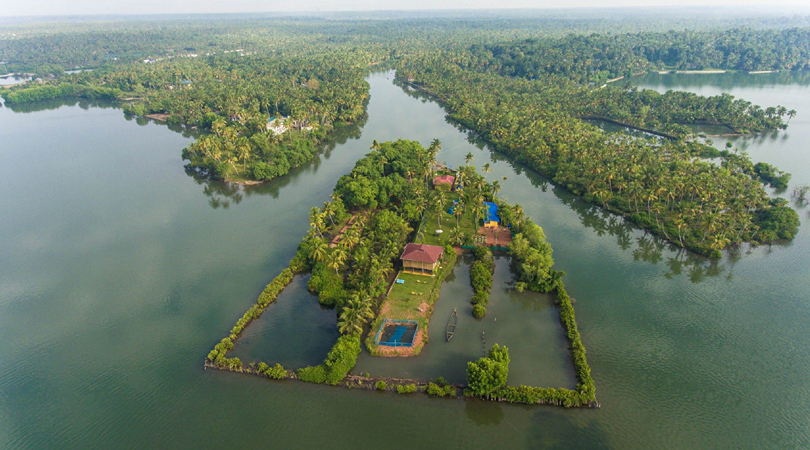
Munroe Island
A cluster of backwater islands near Kollam, best explored by canoe through narrow, quiet canals.
Read More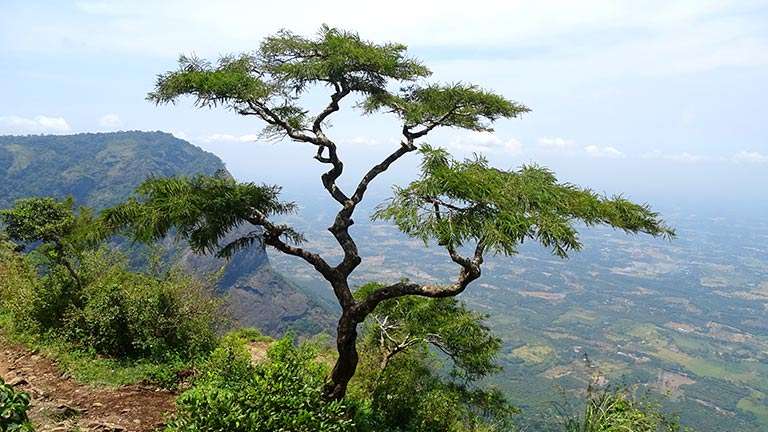
Nelliampathy
An off-the-radar hill station in Palakkad district, known for its orange orchards and forest views.
Read More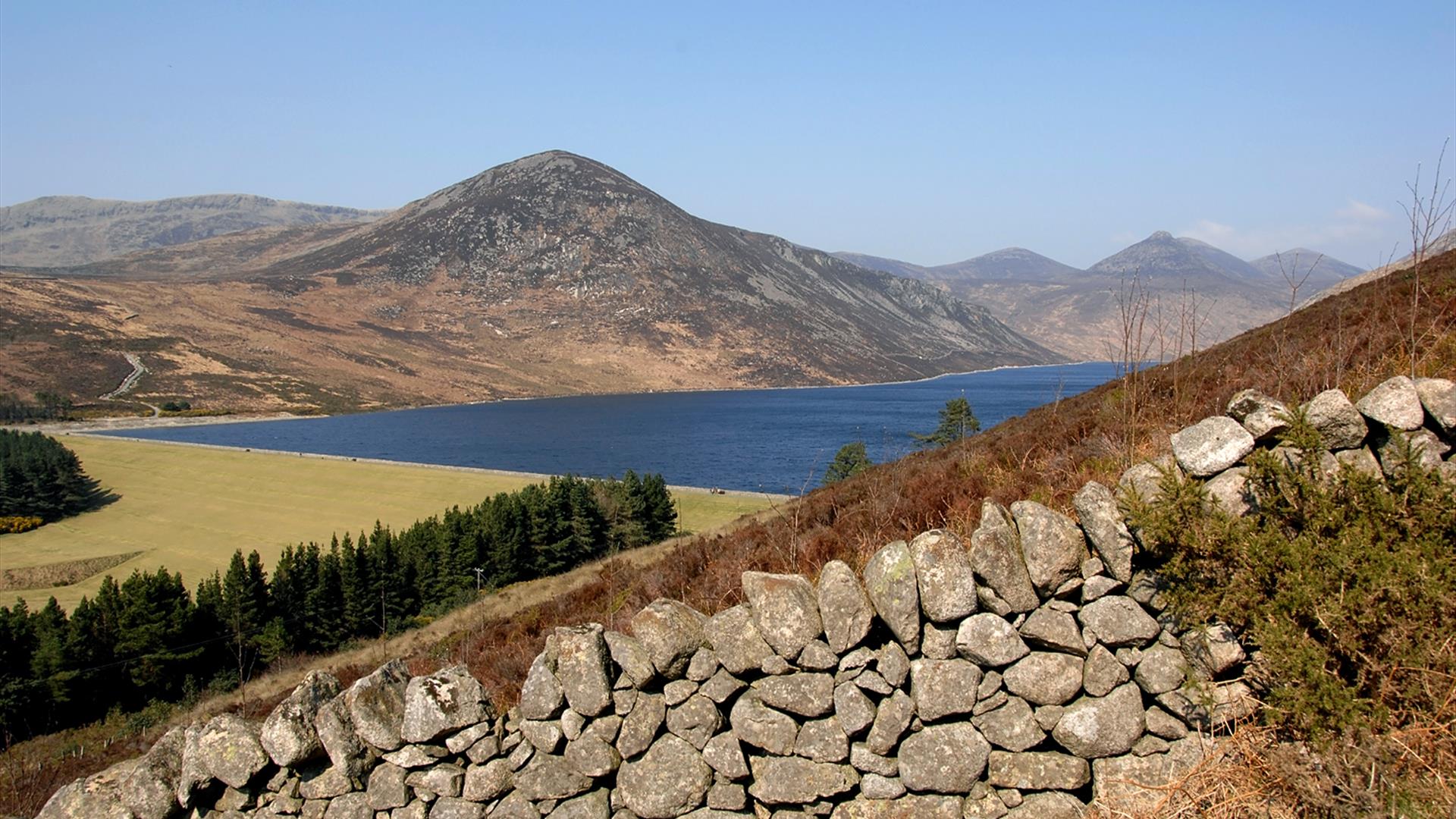
Silent Valley
One of the last untouched tropical rainforests in India, protected within a national park in Palakkad.
Read More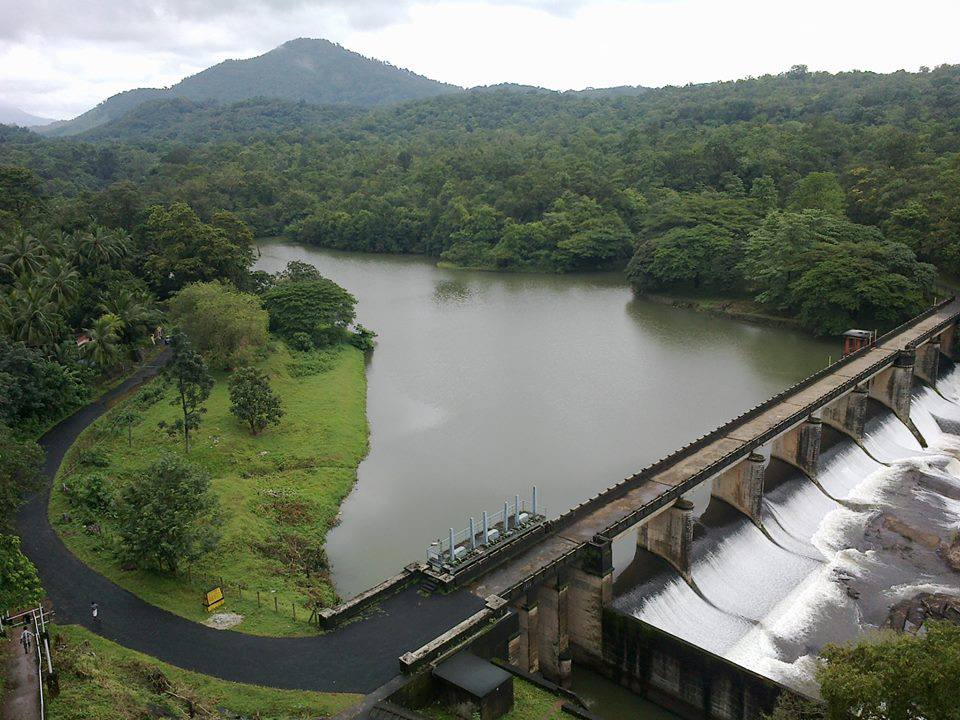
Thenmala
India's first planned eco-tourism destination, built around a dam, forest trails and adventure activities.
Read MoreGet to Know Each Place
What each destination is known for, its signature experiences, and the best time to visit.
Munnar
Munnar's rolling tea estates and cool Western Ghats air make it Kerala's most requested hill station. The usual stops are Mattupetty Dam, Echo Point and Kundala Lake, along with a working tea plantation and the Tea Museum, with the Cheeyappara and Valara waterfalls on the drive up. Cool and clear from September through March, it suits families, honeymooners and anyone after a break from the heat.
Alleppey
Alleppey is where Kerala's backwaters are best experienced, usually from an overnight houseboat drifting past coconut palms, paddy fields and quiet canal-side villages on Vembanad Lake. A shorter cruise works just as well for those with less time to spend. November through February brings the coolest, driest weather, though houseboats run all year round.
Thekkady
Thekkady centres on the Periyar Wildlife Sanctuary, where a boat safari across the reservoir is the best chance of spotting elephants, bison and birdlife along the shoreline. Spice plantation walks through pepper, cardamom and clove groves are a popular add-on. September to March is the most comfortable stretch, with drier trails and calmer water for the boat rides.
Wayanad
Wayanad is Kerala's greenest and least crowded district, spread across forests, waterfalls and wildlife sanctuaries in the Western Ghats. Highlights include the Edakkal Caves, Lakkidi View Point and Pookode Lake, along with wildlife drives through the sanctuary. October to May is the best window, once the heaviest monsoon rains have passed.
Kovalam
Kovalam is a classic Kerala beach town, its long Arabian Sea coastline anchored by a working lighthouse that's still open to visitors. Days here revolve around the beach itself, at a relaxed pace suited to families and couples alike. November to February offers the cooler weather and calmer sea most travellers prefer.
Kumarakom
Kumarakom sits on Vembanad Lake, quieter and more residential than Alleppey, with lakeside resorts built around its backwater setting. The bird sanctuary is the main draw, home to resident species and to the migratory birds that arrive in large numbers each winter. November to February is peak birdwatching season, when those migratory visitors are present.
Fort Kochi
Fort Kochi is Kerala's most walkable old town, its colonial-era streets lined with the iconic Chinese fishing nets, the historic Mattancherry and Jew Town quarters, and a lively contemporary arts scene. A half or full day is usually enough to cover the waterfront, heritage buildings and Marine Drive. October to February is most comfortable for walking, though the town suits a visit at any time of year.
Varkala
Varkala is defined by its dramatic red laterite cliffs, with Papanasam Beach below and a row of clifftop cafes and shops along the top. It moves at a slower pace than most Kerala beach towns, popular for sunset views and a relaxed day or two. November to February brings the calmest sea and driest weather, since the cliffside paths are best avoided during heavy monsoon rain.
Athirappilly
Athirappilly, often called the Niagara of Kerala, is the state's largest waterfall, dropping in a wide curtain amid dense forest a short drive from Kochi. The nearby Vazhachal falls make for an easy pairing, and the surrounding Sholayar forest range is also worth a walk. October to March brings the fullest flow without the risk of monsoon flooding, making it the easiest window to visit.
Bekal
Bekal is home to Kerala's largest fort, a 40-acre laterite structure built around 1650 with sweeping Arabian Sea views from its ramparts, and Bekal Beach stretches out below it. It's a quieter alternative to Kerala's more crowded coastal towns, with a handful of beach resorts along the coast. November to February brings the most comfortable weather for exploring the fort and the shore.
Poovar
Poovar, south of Thiruvananthapuram, is where a backwater estuary meets the Arabian Sea, separated by a narrow strip of golden sand. A boat ride through the estuary's mangroves is the main draw, often combined with a stay in a floating cottage. November to February offers the calmest water for the boat rides.
Ponmudi
Ponmudi is a cool, lightly developed hill station in the Western Ghats, an easy day trip or overnight from Thiruvananthapuram. Its winding hairpin road up through tea and rubber estates is as much a part of the visit as the viewpoints at the top. October to March brings the clearest skies and most comfortable hill-country temperatures.
Vagamon
Vagamon is a quieter alternative to Munnar, its rolling meadows, pine forests and tea estates spread across three linked hills in Idukki district. Paragliding over the meadows is its best-known activity, alongside a walk through the pine forest and a stop at the Kurisumala hermitage. September to March brings cool, clear weather suited to both the meadows and the paragliding season.
Kollam
Kollam sits at the southern end of Kerala's backwater network, built around Ashtamudi Lake and a long history in the cashew and coir trade. A backwater cruise here runs quieter and less crowded than Alleppey's, and the town makes an easy stop between Varkala and the south. November to February is the most comfortable stretch for a cruise.
Thrissur
Thrissur is considered Kerala's cultural capital, home to the ancient Vadakkunnathan Temple and the Thrissur Pooram festival, one of the state's largest temple processions with dozens of caparisoned elephants. It's also a good base for classical art forms like Kathakali and Koodiyattam. April brings Pooram itself, though the temple and town are worth visiting year round.
Kozhikode
Kozhikode, also known as Calicut, is a historic Malabar port city where Vasco da Gama first landed in India, its old bazaars and beach still central to city life. It's especially known for its biryani and halwa, alongside a laid-back beach promenade in the evenings. October to February is the most comfortable season for walking the old town.
Marari
Marari, a fishing village beach near Alleppey, is quieter and less developed than the town's backwater circuit, known for its long open beach and a handful of boutique beach stays. Watching the local fishing boats come in at dawn is one of its simplest pleasures. November to February brings the calmest sea and driest weather.
Kannur
Kannur, in North Kerala, is known for its beaches, its handloom weaving tradition, and Theyyam, a ritual dance performed at shrines through the night from November to May. It's a quieter, less-visited alternative to South Kerala's coastal towns. The Theyyam season itself is the most distinctive time to visit, though the coastline is pleasant year round.
Thalassery
Thalassery, a historic Malabar town near Kannur, is known for its Dutch-era fort, a biryani style distinct from the rest of Kerala, and as the traditional home of Indian circus training. A walk through its old bazaar streets pairs naturally with a stop at the fort. October to February suits walking the town most comfortably.
Kasaragod
Kasaragod, Kerala's northernmost district, is a quieter mix of old forts, waterfalls and a genuine linguistic diversity, with Malayalam, Tulu, Kannada and Konkani all commonly spoken. Smaller sites like Chandragiri Fort and Kappil Beach sit alongside better-known Bekal nearby. October to February brings the most comfortable weather for exploring.
Munroe Island
Munroe Island, a cluster of small islands where the Kallada river meets Ashtamudi Lake near Kollam, is best explored by canoe through narrow canals lined with coconut groves and Chinese fishing nets. It's a quieter, more local counterpart to Alleppey's houseboat backwaters. November to February offers the calmest water for canoeing.
Nelliampathy
Nelliampathy is an off-the-radar hill station in Palakkad district, its winding road climbing through orange and cardamom plantations to viewpoints over the plains below. It stays far less crowded than Munnar despite similar scenery. December to February is peak season for its orange harvest and the clearest views.
Silent Valley
Silent Valley National Park protects one of the last untouched tracts of tropical rainforest in the Western Ghats, home to the endangered lion-tailed macaque among other rare wildlife. Visits run through guided treks arranged with the forest department rather than independent exploration. December to April is the easiest season for trekking, before the monsoon closes many trails.
Thenmala
Thenmala, near Kollam, is India's first planned eco-tourism destination, built around a dam and reservoir with adventure activities like a canopy walk, rope bridges and boating alongside quieter forest trails. It suits both an active day out and a slower walk through its butterfly and deer sanctuaries. October to March brings the most comfortable weather for the outdoor activities.